Understanding DTF Transfers: A Complete Guide

Author
what-is-DTF-Transfers-728x360_64290fb7-6f4c-4c9b-9ae8-2c9be416de05
DTF transfers are revolutionizing the custom apparel industry. This innovative printing method offers vibrant colors and detailed designs. But what exactly is a DTF transfer? It stands for Direct to Film, a process that transfers designs onto fabrics. Unlike traditional methods, DTF is versatile and works on various materials. It’s gaining popularity for its ease of use and cost-effectiveness. Whether you're a small business owner or a DIY enthusiast, understanding DTF can enhance your printing projects. In this guide, we’ll explore the DTF printing process, its benefits, and how it compares to other methods like DTG.

What is a DTF Transfer?

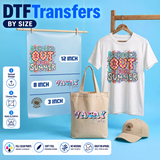
A DTF transfer, or Direct to Film transfer, is a modern printing method. It involves printing designs onto a special film. This design is later transferred onto various fabrics using heat and adhesive. This method stands out due to its ability to print on different materials. Unlike some techniques, DTF doesn’t require pre-treatment. This makes it a more straightforward and efficient process.
DTF transfers deliver high-quality finishes and vibrant colors. They are perfect for projects requiring intricate details and soft textures. 
Here are some key characteristics of DTF transfers:
  • Prints on cotton, polyester, and fabric blends.
  • No fabric pre-treatment needed.
  • Durable and fade-resistant through washes.
The ability to apply DTF transfers on different surfaces makes them versatile. This flexibility attracts businesses and DIY designers alike, offering endless creative possibilities.

How Does the DTF Printing Process Work?

The DTF printing process involves several steps. First, the design is printed onto a special film using a DTF printer. This step uses water-based inks that promise vibrant colors. After printing, adhesive powder is applied to the film. This step ensures the design will adhere to the fabric effectively. The powder provides a strong bond, crucial for durability. Next, the film with the adhesive is carefully cured. This process ensures the adhesive properly activates. Curing prepares the transfer for the final application on fabric. Finally, the prepared film is heat pressed onto the desired fabric. The heat and pressure permanently bond the design to the material. This step is crucial for a lasting finish.
Here's a brief overview of the process:
  • Print the design onto special film.
  • Apply adhesive powder to the film.
  • Cure the film with powder applied.
  • Heat press the film onto the fabric.
This process is both efficient and effective. It produces high-quality results suitable for various applications.
Benefits-of-DTf-Printong-For-T-shirt-business

DTF vs. DTG: Key Differences

DTF and DTG are both popular printing methods for fabric. However, they have distinct differences. Understanding these can help in choosing the right method. DTF (Direct to Film) does not need fabric pre-treatment. This feature makes it more versatile. It works with various materials like cotton and polyester. In contrast, DTG (Direct to Garment) often requires pre-treatment. This step ensures better ink adhesion. It's mostly effective on cotton fabrics.
The equipment also differs between the two methods. DTF uses special film and adhesive powder. Meanwhile, DTG prints directly onto the fabric.

Here are the key differences summarized:
  • DTF works on multiple materials, DTG mostly on cotton.
  • DTF uses adhesive powder, DTG needs pre-treatment.
  • Equipment varies for each process.
Considering these differences aids in selecting the best method for specific needs.
image_2025-03-18_151332495

Benefits of DTF Transfers for T-Shirts and Apparel

DTF transfers offer several advantages in the custom apparel industry. One significant benefit is the vivid color output. These transfers create designs that stand out and capture attention. The durability of DTF transfers is another key advantage. They withstand multiple washes without fading. This ensures that apparel maintains its quality over time.

Moreover, DTF transfers are versatile and adaptable. They can be used on various fabric types, unlike other methods. This makes them suitable for diverse projects and designs.

Key benefits include:
  • Vibrant and eye-catching color
  • Durable through many washes
  • Compatible with different fabric types
These features make DTF a desirable choice for custom t-shirt and apparel printing.

Required Equipment and Materials for DTF Printing

Setting up for DTF printing requires specific equipment. The main component is a DTF printer, designed to handle direct-to-film printing tasks. These printers vary, but they all support the crucial task of transferring designs to film.

In addition to the printer, you need special film. This film serves as the medium onto which designs are printed before transfer. The quality of the film significantly impacts the final result.

Also crucial is the adhesive powder. This powder bonds the printed film to the fabric. A heat press completes the setup, applying heat to secure the design.

Essential components include:
  • DTF printer
  • Special film
  • Adhesive powder
  • Heat press
Investing in quality equipment ensures high-quality, professional results in your printing projects.

Step-by-Step: Applying a DTF Heat Transfer

Applying a DTF heat transfer to fabric is straightforward. Start by designing and printing your image onto the special film using your DTF printer. Ensure your design is correctly aligned on the film for best results. Once the design is printed, apply adhesive powder evenly over the print. The powder adheres to the wet ink and is critical for durability. After applying the powder, let it cure to ensure a strong bond.
The next step is to position the film onto your fabric. Use a heat press to apply heat and pressure. This secures the design onto the garment effectively.

Here’s a breakdown of the process:
  • Print the design on special film
  • Apply adhesive powder and cure
  • Position film on fabric
  • Use a heat press to transfer
Following these steps ensures vibrant, long-lasting transfers. The method is efficient and easy to replicate.

Popular Applications of DTF Transfers

DTF transfers are versatile and suitable for various items beyond t-shirts. They offer flexibility, making them ideal for many custom apparel projects. Businesses and individuals can use DTF for both creative and promotional needs.
Some common applications include:
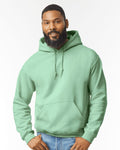
  • Hoodies and sweatshirts
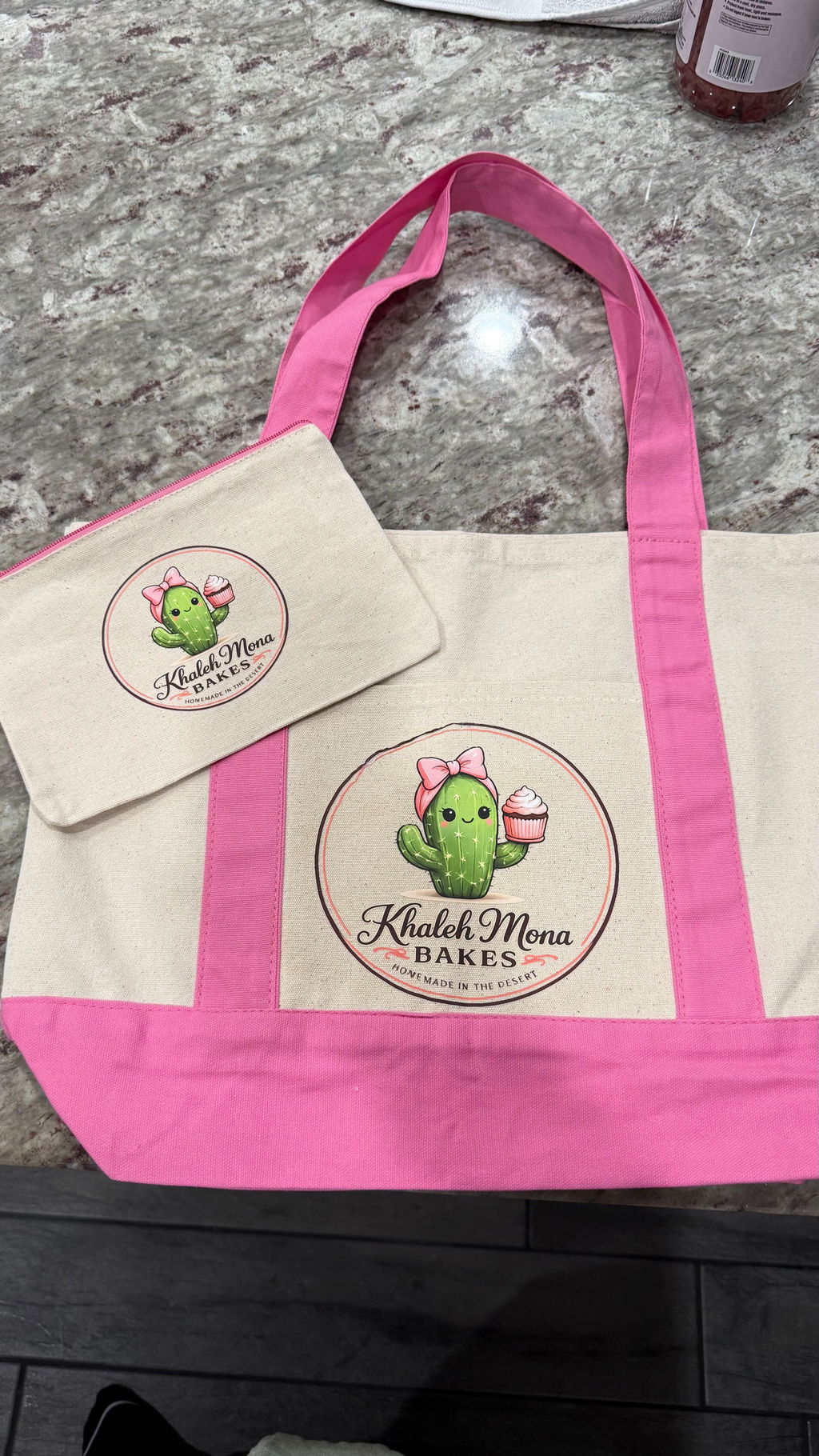
  • Tote bags and backpacks
  • Caps and hats
  • Custom uniforms
This technology allows creators to explore diverse designs across multiple fabric types. Its adaptability makes it a popular choice in the custom printing industry.

Tips for Getting the Best Results with DTF Printing Technology

For optimal results with DTF printing, attention to detail is crucial. This ensures vibrant colors and lasting prints. Follow these tips to enhance the quality of your DTF transfers.
  • Use high-quality films and inks
  • Maintain your printer regularly
  • Preheat the fabric before pressing
By implementing these practices, you can achieve professional and durable designs. Such diligence will ensure customer satisfaction and repeat business.

Frequently Asked Questions about DTF Transfers


Many new users have questions about DTF transfers. This section addresses some of the most common inquiries. Understanding these can help streamline your printing process.

  • What is a DTF transfer?

A DTF (Direct-to-Film) transfer is a printing method. It lets you print full-color designs on a special film. You then apply these designs to fabric using heat and adhesive powder. It’s ideal for custom t-shirts, hoodies, bags, and more.

  • What fabrics work with DTF transfers?

DTF transfers work on a wide range of materials including cotton, polyester, tri-blends, spandex, fleece, and even nylon. This versatility makes them ideal for all types of custom apparel.

  • Do I need a heat press for DTF transfers?

Yes, a heat press is essential for applying DTF transfers. It provides the precise temperature and pressure needed to bond the design to the fabric permanently.

  • How durable are DTF transfers?

DTF transfers are extremely durable. They usually last for more than 50 washes without cracking or fading. This is true if they are applied correctly and the garment is washed as instructed.

  • Do I need a special printer for DTF transfers?

Yes, DTF transfers require a specialized DTF printer that uses water-based inks and prints on PET film. Standard inkjet or laser printers are not compatible.

  • What’s the difference between DTF and vinyl printing?

DTF printing lets you create full-color designs with details and gradients. In contrast, vinyl usually only works with solid colors and simple shapes. DTF is faster for bulk jobs and provides a softer, more natural feel on garments.

  • Is fabric pre-treatment required for DTF transfers?

No, fabric pre-treatment is not necessary for DTF transfers. This is one of the advantages over DTG (Direct to Garment) printing, which often requires pre-treatment.

  • Can DTF transfers be applied to dark-colored garments?

Yes, DTF transfers work well on both light and dark-colored fabrics. The white ink layer printed during the process allows for vibrant color results on any background.

  • Are DTF transfers easy for beginners to use?

Absolutely. DTF transfers are user-friendly and easy to apply with a heat press. No cutting or weeding is needed, making them perfect for small businesses and DIY crafters.

  • How long does it take to press a DTF transfer?

Typically, a DTF transfer takes around 15 seconds to press at 300–320°F with medium pressure. It’s a quick and efficient process

Conclusion

In summary, DTF transfers offer vibrant and durable prints for a variety of fabrics.

Get Started Now

Ready to try DTF? Upload your design to our Gang Sheet Builder or browse our ready-to-press collection.