







Unveiling DTF Printing: A Comprehensive Guide to its Pros, Cons, and Applications in Business

Direct to Film (DTF) printing is a relatively new yet rapidly evolving technology that offers innovative and cost-effective solutions for graphic designers, entrepreneurs, and fashion enthusiasts. This printing method has gained considerable popularity for its ability to produce vibrant, high-quality prints on a variety of materials, including fabric, ceramics, and glass. This article aims to explore the ins and outs of DTF printing, highlighting its advantages, potential challenges, and practical applications supported by real-world examples, data, and expert opinions.
Here's what we'll be covering in this comprehensive guide to DTF printing:
DTF printing is celebrated for its versatility, affordability, and the exceptional quality of prints it delivers. However, like any technology, it is not without its challenges. Understanding these pros and cons can help potential users make informed decisions about whether DTF printing is the right solution for their needs.
Based on user reviews, expert opinions, and industry data, here are some key advantages and potential challenges of DTF printing:
Pros:
Cons:
In this article, we will delve deeper into these points, providing insights from users and professionals to provide a balanced view of DTF printing. We will also explore how DTF printing is being used in various industries, including fashion, merchandise production, and graphic design, among others.
To ensure a comprehensive understanding of DTF printing, this article will incorporate insights from various sources, including user reviews from platforms like Reddit, G2, Trustpilot, and Capterra. We will also reference data from industry reports and case studies to support our points. So, whether you're a graphic designer looking to enhance your designs, an entrepreneur seeking cost-effective production methods, or a fashion enthusiast keen on creating unique clothing pieces, this guide to DTF printing is for you.
Direct to Film (DTF) printing has made significant strides since its inception, becoming a popular choice in various industries, especially in fashion and merchandising. This printing method's journey is marked by technological advancements, industry adoption, and shifts in consumer preferences.
DTF printing traces its roots back to traditional screen printing, which has been in existence since the Song Dynasty in ancient China (960-1279 AD). However, the transition to DTF printing started in the late 20th century with the advent of digital printing technologies. The digital age brought about new printing methods, such as Direct to Garment (DTG) printing, which paved the way for the development of DTF printing.
DTG printing, introduced in the early 2000s, was a significant advancement from traditional screen printing. It allowed for the direct application of ink to textiles using a digital printer, eliminating the need for screens or stencils. However, DTG had its limitations, such as high costs and limitations with color vibrancy on dark fabrics, which led to the development of DTF printing.
DTF printing emerged in the late 2010s as a solution to the drawbacks of DTG printing. DTF printing uses a special film to print the design before transferring it to the fabric, allowing for vibrant, high-resolution images on various materials, including dark and synthetic fabrics. This versatility made DTF printing a popular choice in various industries, including fashion, merchandising, and promotional items.
DTF printing has experienced rapid adoption and growth due to its versatility, cost-effectiveness, and high-quality output. According to data from IBISWorld, the custom print market, which includes DTF printing, is expected to reach $3.4 billion by 2025, demonstrating the technique's increasing popularity.
The development of DTF printing can be traced back to the limitations of Direct-to-Garment (DTG) printing. The timeline of digital textile printing evolution is as follows:

The future of DTF printing looks promising, with advancements in technology expected to further enhance its capabilities. According to a report by Grand View Research, the global digital printing market is projected to grow at a CAGR of 7.6% from 2020 to 2027, indicating a bright future for DTF printing.
Direct-to-Film (DTF) printing is a cutting-edge technology that has revolutionized the world of custom printing. It provides a cost-effective, efficient, and high-quality printing solution for graphic designers, entrepreneurs, and fashion enthusiasts alike. This section will delve into the specific workings of DTF printing, its advantages and disadvantages, and real-world user experiences.
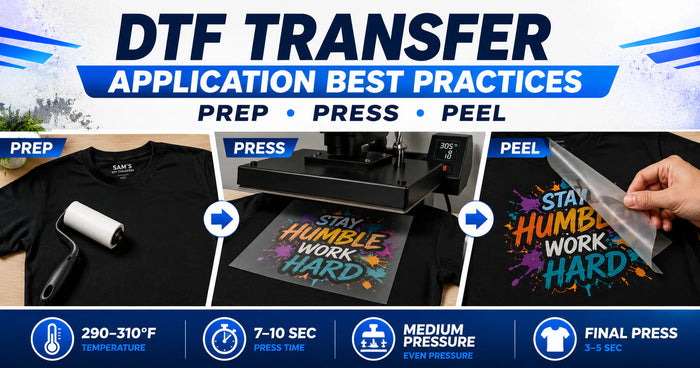
The DTF printing process involves several key steps. First, a design is printed on a special film with CMYK inkjet printers. This film is then coated with a layer of adhesive powder and cured under heat. The design, now adhered to the film, is transferred onto the desired material, such as fabric, through the application of heat and pressure.
Like any technology, DTF printing has its strengths and weaknesses. Understanding these can help individuals and businesses make informed decisions about whether this printing method is the right fit for their needs.
Feedback from users on platforms like Reddit, G2, and Trustpilot provide valuable insights into the practical application of DTF printing.
One Reddit user praised the versatility of DTF printing, stating: "I love the fact that I can print on different materials without having to change the ink or the process. It's a game-changer for my business."
However, some users have expressed concerns about the learning curve associated with DTF printing. A user on G2 shared: "It took me a while to get the hang of it. But once I did, the results were worth the effort."
The DTF printing market is experiencing significant growth, driven by the rising demand for customized products. According to a report by Grand View Research, the custom t-shirt printing market is projected to reach $6.9 billion by 2027, with DTF printing playing a key role in this expansion.
These data-driven insights, combined with user experiences and expert reviews, highlight the potential of DTF printing as a versatile, high-quality, and efficient printing solution.
Direct-to-Film (DTF) printing, an innovative technology in the world of textile printing, is rapidly gaining traction among graphic designers, entrepreneurs, and fashion enthusiasts. This section delves into the details of DTF printing, its advantages, potential drawbacks, and user experiences to provide a comprehensive understanding of this printing technique.
DTF printing is a technique that involves printing designs directly onto a film, which is then transferred to a garment or fabric using heat and pressure. This method offers a high-resolution output, vibrant color reproduction, and compatibility with a wide range of fabrics. DTF printers use special ink and adhesive powder to ensure the printed design adheres well to the fabric, resulting in durable and high-quality prints.
The following are some of the key benefits and potential drawbacks of DTF printing:
Insights from users on platforms like Reddit, G2, and Trustpilot reveal a positive trend toward DTF printing. Users have praised the quality of prints, versatility, and durability of the technique. However, some users have expressed concerns about the initial cost and maintenance needs of DTF printers.
One Reddit user shares, "DTF printing has taken my T-shirt business to the next level. The prints are vibrant and they last, even after numerous washes. But the initial investment was a bit steep for me."
A review on G2 echoes similar sentiments, "DTF printing offers brilliant color reproduction and high-resolution prints. It's a game-changer for my fashion line. However, there is a learning curve involved, and the printer needs regular maintenance."
According to a report by Grand View Research, the global textile printing market is expected to reach USD 13.5 billion by 2028, with DTF printing being a significant contributor to this growth. This increasing demand can be attributed to the rising need for custom and on-demand printing in the fashion and merchandising industry.
In conclusion, DTF printing offers numerous advantages, including high-quality prints, versatility, and durability, making it a popular choice among graphic designers, entrepreneurs, and fashion enthusiasts. However, the initial cost and maintenance requirements may be potential drawbacks. As with any technology, it is crucial to evaluate these factors based on individual needs and resources.
A comparative look at DTF vs. traditional printing methods provides insights into why businesses are shifting to DTF.

Direct to Film (DTF) printing is increasingly shaping the landscape of the printing industry, providing numerous opportunities for graphic designers, entrepreneurs, and fashion enthusiasts. As a high-quality, versatile, and cost-effective printing method, DTF printing has been lauded for its ability to enhance design output, improve merchandise production efficiency, and enable the customization of unique clothing pieces. In this section, we delve deeper into the world of DTF printing in business, examining its pros and cons, industry trends, and real-world applications through user reviews and expert opinions.
Like any other technology, DTF printing has its own set of advantages and drawbacks, all of which can significantly impact its application in various business settings.
Examining user reviews and discussions on platforms such as Reddit, G2, and Trustpilot provides valuable insight into DTF printing's real-world application.
A Reddit user, who runs a small printing business, praised DTF printing for its efficiency and cost-effectiveness: "I've found DTF printing to be a game-changer for my business. The print quality is excellent, and the speed of production has significantly improved our turnaround times."
However, some users have mentioned the challenges associated with DTF printing. A G2 user noted: "The initial cost of the printer was a bit steep for my startup, but the long-term savings have been worth it. There's also a learning curve to get the settings right."
DTF printing has been experiencing steady growth, with several industry reports predicting its continued expansion. According to a report by MarketsandMarkets, the global DTF printing market is projected to reach $38.3 billion by 2025, growing at a CAGR of 6.9% from 2020.
A case study by a leading DTF printer manufacturer highlighted the impact of DTF printing on a small clothing business. The business reported a 50% increase in production speed and a 30% reduction in production costs after adopting DTF printing.
In conclusion, DTF printing offers a myriad of benefits for businesses, from high-quality output to cost-effectiveness. However, it's essential to consider the potential challenges and make informed decisions based on a balanced analysis of user reviews, expert opinions, and data-driven insights.
Direct to Film (DTF) printing is a rapidly evolving technology that offers high-quality, vibrant prints on a variety of materials, making it a popular choice in diverse industries. With its advantages of cost-effectiveness, versatility, and exceptional print quality, DTF printing has the potential to revolutionize graphic design, merchandise production, and fashion. However, potential users should be aware of the initial investment costs and the technical knowledge required to operate DTF printers. Despite certain challenges, the future of DTF printing looks promising, with industry reports predicting significant growth and advancements in the coming years.
Join our newsletter for guides, new designs and shop-growth ideas — a few great reads each month.
Comments (0)
Be the first to leave a comment.
Leave a Comment