DTF transfer durability is a big deal for anyone running a t-shirt business, custom apparel shop, or side hustle. If you’ve ever had a print crack, fade, or peel after just a few washes, you know how frustrating it is—for you and your customers.
The good news: with the right materials, press settings, and aftercare, DTF transfers can stay vibrant and flexible for 50+ washes. This guide walks you through proven best practices so you can deliver long-lasting prints with confidence.
Why DTF Transfers Can Be So Durable
DTF transfers are known for two things: versatility and durability. You can decorate cotton, polyester, blends, and even tougher fabrics like denim with the same transfer. When you follow correct application and care steps, your prints resist cracking, peeling, and fading far better than many traditional methods.
The secret is consistency at every stage:
Quality garments and artwork
Correct heat-press settings and pressure
Proper curing, washing, and drying
Step 1 – Build on the Right Foundations
Choose Quality Garments
Your print is only as strong as the garment underneath. Choose fabrics that can handle heat and regular washing:
Cotton, polyester, and cotton/poly blends for everyday wear
Denim and heavier fabrics for premium products
Avoid heat-sensitive materials unless your transfers are rated for low-temp application
Always confirm your blank can safely handle your recommended heat-press settings.
Use High-Resolution Artwork
Blurry art doesn’t just look bad—it also tends to break down visually faster. For crisp, long-lasting results:
Design at the final print size
Use high-resolution files (300 DPI)
Keep tiny details and ultra-thin lines to a minimum
Clean, sharp artwork helps your transfers look professional long after the first wash.
Most standard fabrics (cotton, poly, blends) press best at 290-310°F for 7-10 seconds. For delicate materials, adjust down—use 275°F with a specialized low-temp adhesive.
For most standard fabrics (cotton, poly, and blends), DTF transfers perform best when you follow your supplier’s recommended settings. At Sam’s DTF Transfers, we generally recommend:
Temperature: 290–310°F
Time: 7–10 seconds
Pressure: Medium to firm, even across the platen
Use a protective sheet (parchment or a non-stick cover sheet) between the transfer and the press to keep your platen clean and prevent ink transfer.
Tip: If your press runs hot or cold, use a heat gun or test print to dial in your real working temperature.
Don’t Skip the Second Press
A second press is one of the easiest ways to boost DTF transfer durability. After peeling the film:
Place parchment or a non-stick sheet over the design.
Press again for 3-5 seconds at the same temperature.
This extra step:
Locks the adhesive deeper into the fibers
Smooths the surface for a softer hand feel
Reduces the risk of early cracking or edge lifting
Step 3 – Let Your Transfers Fully Cure
Once the garment is pressed, let it rest. Avoid washing for at least 24 hours.
This curing window allows the adhesive and inks to fully set into the fabric, giving your transfer maximum resistance to washing, stretching, and daily wear. Skipping this step can noticeably shorten the life of your prints.
Step 4 – Wash & Dry for Maximum DTF Durability
How to Wash DTF-Printed Garments
Smart washing habits make a huge difference over the life of a print:
Turn garments inside out before washing to reduce friction on the print
Use cold water and a gentle cycle
Choose a mild, bleach-free detergent
Avoid fabric softeners and harsh stain removers directly on the print
These small habits help protect both color vibrancy and adhesive strength.
Smart Drying Techniques
High heat is the enemy of DTF transfer durability. To keep prints looking new:
Hang dry whenever possible for the best longevity
If using a dryer, choose low heat or air dry
Keep garments inside out to reduce abrasion
Lower heat means less stress on the adhesive, which keeps your print flexible and crack-free for longer.
Real-World Durability: Put Your Prints to the Test
When these steps are followed consistently, DTF prints stay:
Bright and saturated
Smooth and comfortable
Free from cracking and major peeling
even after dozens of washes.
Quick Durability Checklist
✅ Use high-quality garments
✅ Design with high-resolution artwork
✅ Follow recommended temp, time, and pressure
✅ Add a second press for extra adhesion
✅ Wait 24 hours before the first wash
✅ Wash inside-out with gentle detergent
✅ Dry on low heat or hang dry
Pro Tip: Stretch Test Your Work
After drying, gently stretch the fabric around the design in multiple directions. A premium, well-applied DTF transfer should:
Not crack immediately
Not flake or lift at the edges
Snap back with the shirt without permanent distortion
If it passes the stretch test, you know your DTF transfer durability is on point.
Conclusion: Confidently Offer Long-Lasting DTF Prints
When you control your blanks, artwork, press settings, and care instructions, DTF transfers become a reliable, long-lasting print method you can proudly offer to your customers.
For t-shirt business owners, Etsy sellers, and crafters, mastering DTF transfer durability means fewer complaints, more repeat customers, and a stronger reputation for quality.
Ready to put these tips into practice? Start with high-quality DTF transfers, follow the steps above, and keep your prints looking as good as the day they were pressed.
{"rowNumber":"mot","device":"desktop","layoutMobile":2,"layoutDesktop":3,"aspectRatio":"1 / 1","isAutoPlay":false,"dynamicProductId":[{"id":"gid://shopify/Product/8522199564443","title":"New DTF Gang Sheet Builder","currencyCode":"USD","amountMax":"88.8","amountMin":"6.55","price":"6.55","compareAtPrice":"8.19","imagesUrl":"https://cdn.shopify.com/s/files/1/0314/2375/8471/files/dtf_gang_sheet_builder_transparent.png?v=1750077699&width=600","urlStore":"/products/new-dtf-gang-sheet-builder","altImage":""},{"id":"gid://shopify/Product/7714121089179","title":"DTF Transfers By Size","currencyCode":"USD","amountMax":"11.0","amountMin":"0.3","price":"0.30","compareAtPrice":"1.00","imagesUrl":"https://cdn.shopify.com/s/files/1/0314/2375/8471/files/dtf-transfers-by-size-pp.webp?v=1748860590&width=600","urlStore":"/products/dtf-transfers-by-size","altImage":""},{"id":"gid://shopify/Product/8651877613723","title":"New UV DTF Gang Sheet Builder","currencyCode":"USD","amountMax":"180.0","amountMin":"9.49","price":"9.49","compareAtPrice":null,"imagesUrl":"https://cdn.shopify.com/s/files/1/0314/2375/8471/files/UV-DTF-Stickers-GANG-SHEET-BUILDER.webp?v=1748604080&width=600","urlStore":"/products/new-uv-dtf-gang-sheet-builder","altImage":"UV DTF Sticker Gang Sheet Builder"}],"typeSearch":"product","locale":"us","language":"en","componentId":"undefined","productPreview":{"buttonAlign":"Center","hiddenPrice":false,"hiddenArrow":false,"labelButton":"View product","colorTitle":{"hue":213,"brightness":0.83,"saturation":1},"colorPrice":{"hue":0,"saturation":1,"brightness":0},"colorDiscount":{"hue":356,"saturation":0.74,"brightness":1},"colorButton":{"hue":213,"brightness":0.83,"saturation":1},"colorTextButton":{"hue":0,"saturation":0,"brightness":1},"isActiveButton":false,"labelActiveButton":"View all","urlActiveButton":""},"productDetails":{"isHidePrice":false,"isHideVariant":false,"isHideDescription":false,"labelButton":"Buy now","ATCLabelButton":"Add to cart","colorTitleProduct":{"hue":0,"saturation":0,"brightness":0},"colorBNButton":{"hue":0,"saturation":0,"brightness":1},"colorATCButton":{"hue":145.6,"saturation":0.378,"brightness":0.341},"colorBNText":{"hue":0,"saturation":0,"brightness":0},"colorPrice":{"hue":0,"saturation":0,"brightness":0},"colorATCText":{"hue":0,"saturation":0,"brightness":1}},"cssContent":"","id":"Avada-Tool_ProductCard-2"}
{"id":"Avada-Tool__RelatedBlogs-2","posts":[{"id":"gid://shopify/Article/567147430043","title":"How to Use DTF Transfers for Beginners: A Safe and Easy Guide to Custom Shirts","imageUrl":"https://cdn.shopify.com/s/files/1/0314/2375/8471/articles/how-to-use-dtf-transfers-safely-for-custom-shirts-beginners-guide-sams-dtf-transfers.png?v=1761814183&width=400","imageAlt":"A black T-shirt with a colorful print and a heat press, illustrating a safety-first, step-by-step guide to using DTF transfers for beginners.","handle":"how-to-use-dtf-transfers","blogTitle":"Custom DTF Transfers","blogHandle":"custom-dtf-transfers","publishedAt":"2025-10-30T11:19:19Z","summary":"
DTF transfers for beginners are revolutionizing the way crafters and small business owners customize apparel. DTF, or Direct-to-Film, lets you achieve full-color, high-quality, and durable designs on shirts of any color—including dark fabrics—without the restrictions of vinyl or sublimation.
","postUrl":"https://samsdtftransfers.com/blogs/custom-dtf-transfers/how-to-use-dtf-transfers"},{"id":"gid://shopify/Article/567209787547","title":"5 Tips to Get the Best Results from Your DTF Transfers: Essential DTF Printing Tips for Beginners","imageUrl":"https://cdn.shopify.com/s/files/1/0314/2375/8471/articles/DTF_Printing_Tips.png?v=1762986115&width=400","imageAlt":"DTF printing tips with a vibrant ready-to-press transfer beside a heat press at Sam’s DTF Transfers","handle":"essential-dtf-printing-tips","blogTitle":"Custom DTF Transfers","blogHandle":"custom-dtf-transfers","publishedAt":"2025-11-12T22:18:45Z","summary":"
Master five proven DTF printing tips to get crisp, vibrant results: choose quality transfers, use negative space, prep files at the right DPI, keep edges hard, and follow safe line weights/halftones. Press with confidence using Sam’s DTF Transfers—hot-peel, no minimums, same-day printing, and free shipping
","postUrl":"https://samsdtftransfers.com/blogs/custom-dtf-transfers/essential-dtf-printing-tips"},{"id":"gid://shopify/Article/567215063195","title":"Common DTF Artwork & Printing Mistakes (and How to Avoid Them)","imageUrl":"https://cdn.shopify.com/s/files/1/0314/2375/8471/articles/common-dtf-printing-mistakes-hero.png?v=1763030756&width=400","imageAlt":"Person comparing blurry and sharp DTF prints on t-shirts, illustrating common DTF printing mistakes","handle":"how-to-avoid-common-dtf-mistakes","blogTitle":"Custom DTF Transfers","blogHandle":"custom-dtf-transfers","publishedAt":"2025-11-14T11:37:01Z","summary":"
Common DTF mistakes—like low-resolution artwork, wrong file formats, tricky Canva settings, and bad heat press technique—can quickly ruin your prints. This guide walks you through how to prepare your files, avoid halos and fuzzy edges, and press transfers the right way so your DTF prints come out clean, vibrant, and professional every time.
","postUrl":"https://samsdtftransfers.com/blogs/custom-dtf-transfers/how-to-avoid-common-dtf-mistakes"},{"id":"gid://shopify/Article/567215521947","title":"How to Design DTF Artwork in Canva: Best Practices","imageUrl":"https://cdnapps.avada.io/ag-blog/Elements/Blog_Demo.png","imageAlt":"","handle":"how-to-design-dtf-artwork-in-canva","blogTitle":"Custom DTF Transfers","blogHandle":"custom-dtf-transfers","publishedAt":null,"summary":"","postUrl":"https://samsdtftransfers.com/blogs/custom-dtf-transfers/how-to-design-dtf-artwork-in-canva"},{"id":"gid://shopify/Article/567229677723","title":"DTF Cover Sheet Hacks: How to Use Different Finishes for Textured Prints","imageUrl":"https://cdn.shopify.com/s/files/1/0314/2375/8471/articles/DTF_Cover_Sheet_Hacks__How_to_Use_Different_Finishes_for_Textured_Prints.jpg?v=1763398248&width=400","imageAlt":"","handle":"dtf-cover-sheet-hacks-how-to-use-different-finishes-for-textured-prints","blogTitle":"Custom DTF Transfers","blogHandle":"custom-dtf-transfers","publishedAt":null,"summary":"","postUrl":"https://samsdtftransfers.com/blogs/custom-dtf-transfers/dtf-cover-sheet-hacks-how-to-use-different-finishes-for-textured-prints"},{"id":"gid://shopify/Article/567230202011","title":"3 Simple Tips to Improve DTF Printing Color Vibrancy on Your DTF Projects","imageUrl":"https://cdn.shopify.com/s/files/1/0314/2375/8471/articles/vibrant-dtf-color-prints-on-tshirts-hero_2bf565ed-af7f-4161-a7ba-7b1de421c421.png?v=1763409431&width=400","imageAlt":"Bright, colorful DTF prints on multiple t-shirts showing vibrant and accurate colors","handle":"dtf-printing-color-tips","blogTitle":"Custom DTF Transfers","blogHandle":"custom-dtf-transfers","publishedAt":"2025-11-17T21:39:10Z","summary":"
Struggling with dull or inconsistent colors on your DTF prints? Learn three simple, practical tips to improve DTF printing color—testing swatches, prepping artwork correctly, and handling RGB vs CMYK—so your transfers come out vibrant and professional every time.
DTF transfers for beginners are revolutionizing the way crafters and small business owners customize apparel. DTF, or Direct-to-Film, lets you achieve full-color, high-quality, and durable designs on shirts of any color—including dark fabrics—without the restrictions of vinyl or sublimation.
Master five proven DTF printing tips to get crisp, vibrant results: choose quality transfers, use negative space, prep files at the right DPI, keep edges hard, and follow safe line weights/halftones. Press with confidence using Sam’s DTF Transfers—hot-peel, no minimums, same-day printing, and free shipping
Common DTF mistakes—like low-resolution artwork, wrong file formats, tricky Canva settings, and bad heat press technique—can quickly ruin your prints. This guide walks you through how to prepare your files, avoid halos and fuzzy edges, and press transfers the right way so your DTF prints come out clean, vibrant, and professional every time.
Struggling with dull or inconsistent colors on your DTF prints? Learn three simple, practical tips to improve DTF printing color—testing swatches, prepping artwork correctly, and handling RGB vs CMYK—so your transfers come out vibrant and professional every time.
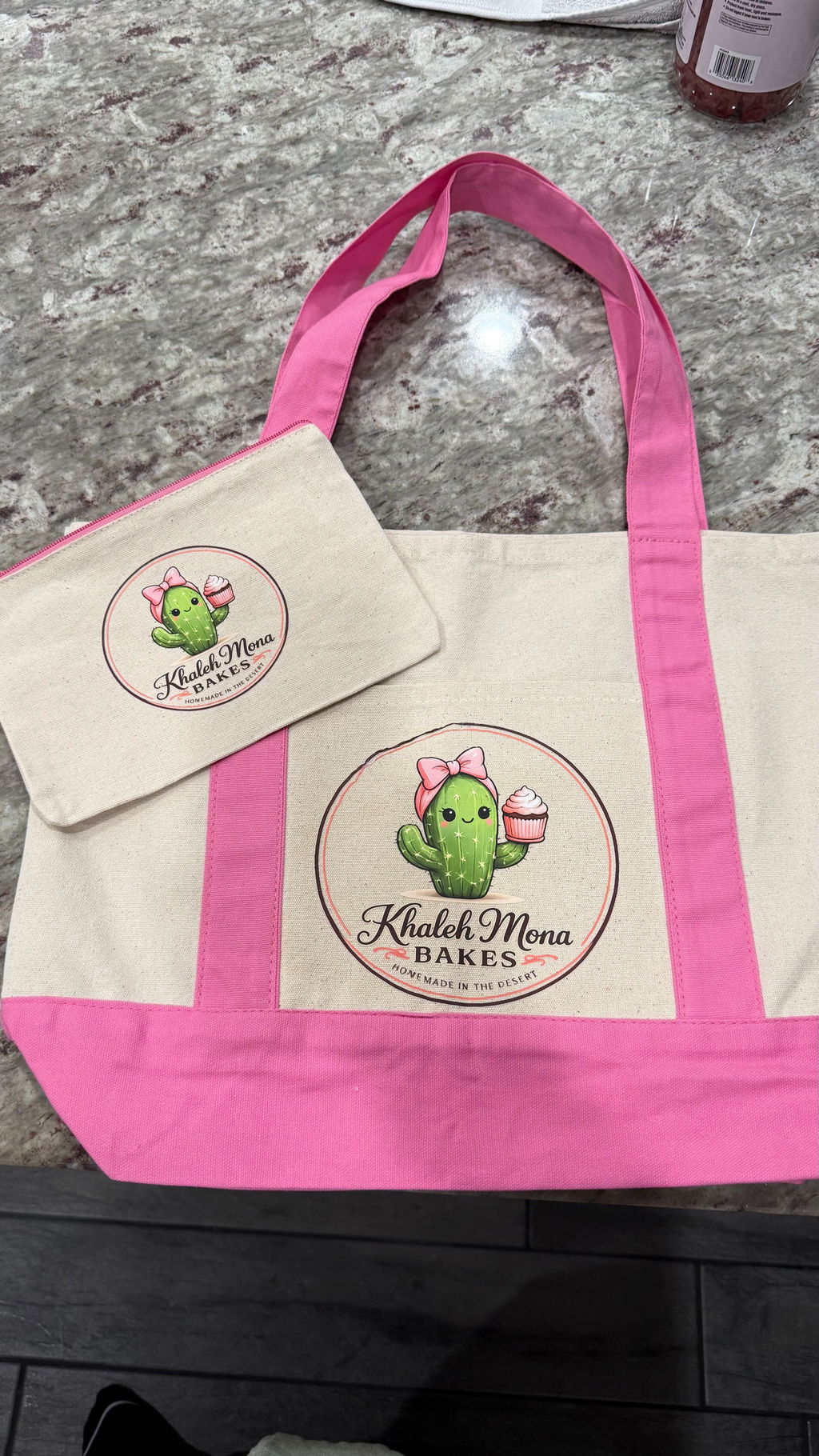
I was skeptical of the quality when I first opened my box, but I followed the instructions on the website (I wish they were also included in the shipping box so I didn't have to go hunting for them). I used my iron since I don't have a heat press and it worked beautifully. The image comes off easily and very cleanly if the heat is applied correctly. I will be ordering more in the future!















Comments (0)
Be the first to leave a comment.
Leave a Comment